

EJOT ATF
Precision Fastening & Engineered Components for Advanced Air Mobility
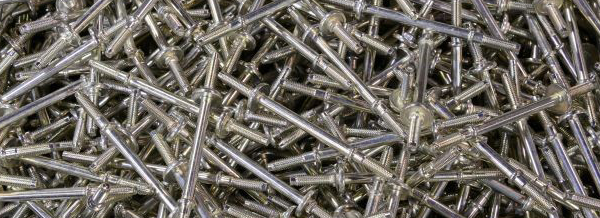
EJOT ATF is a leading supplier of high-performance fasteners, cold-formed metal parts, and safety-critical assemblies for the aerospace and eVTOL industries. With deep expertise in lightweight structures, composite joining, and system integration, EJOT ATF supports eVTOL manufacturers in achieving structural integrity, certification compliance, and scalable production. Their engineered solutions are backed by in-house application engineering and lab validation—making them a trusted partner in building the future of electric flight.




Collinear Group
Certification Strategy & Regulatory Readiness for eVTOL Innovation
Collinear Group is a leading aviation consultancy advancing regulatory strategy and certification readiness for next-generation aircraft. As a champion of Honeywell Aerospace Technologies’ Regulatory Readiness Level (RRL) framework, Collinear helps eVTOL developers navigate the complex path to type certification with greater clarity, structure, and transparency. By aligning stakeholders around standardized certification milestones, Collinear enables faster regulatory engagement, improved risk management, and stronger investor confidence. With deep expertise in airworthiness, compliance, and program lifecycle management, Collinear Group is shaping the future of aviation certification for the eVTOL era.

NUAIR
Accelerating Safe Integration of eVTOL and AAM into the National Airspace
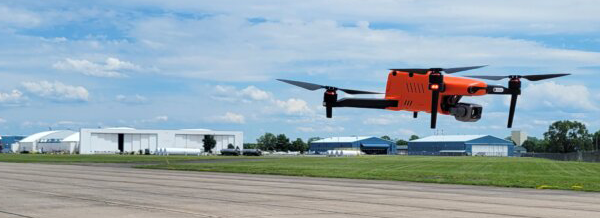
NUAIR (Northeast UAS Airspace Integration Research Alliance) is a leading nonprofit organization advancing the safe integration of eVTOL and Advanced Air Mobility (AAM) technologies into national and global airspace systems. Backed by New York State and operating one of the most advanced 450-square-mile BVLOS test corridors in the U.S., NUAIR provides unmatched real-world validation, simulation environments, regulatory expertise, and vertiport planning services. From concept development to full-scale deployment, NUAIR helps eVTOL innovators navigate FAA certification, UTM integration, and operational readiness with confidence—empowering the future of next-generation air mobility.

TE Connectivity
High-Performance Interconnect Solutions for eVTOL Aircraft
TE Connectivity delivers mission-critical interconnect technologies that power the electrification, control, and digital backbone of eVTOL platforms. With deep expertise in aerospace, automotive, and energy sectors, TE offers a broad portfolio of high-voltage connectors, lightweight wiring, optical networks, sensors, and contactors tailored to the unique SWaP (Size, Weight, and Power) demands of electric vertical takeoff and landing systems. From propulsion and power distribution to avionics, infotainment, and structural integration, TE’s scalable, high-bandwidth solutions help eVTOL manufacturers design safer, lighter, and more connected aircraft—ready for the next era of urban air mobility.


AVL
Complete Testing & Simulation Solutions for eVTOL Electrification
AVL is a global leader in advanced testing, simulation, and engineering solutions for electric and hybrid aviation systems. Supporting the entire eVTOL development cycle, AVL delivers cutting-edge tools for testing electric propulsion, high-voltage batteries, fuel cells, and power electronics—alongside system integration and software regression testing via its AVL Copper Bird™ platform. With decades of experience in mobility innovation, AVL empowers eVTOL manufacturers to accelerate development, improve reliability, and meet certification targets with precision and speed.

MTorres
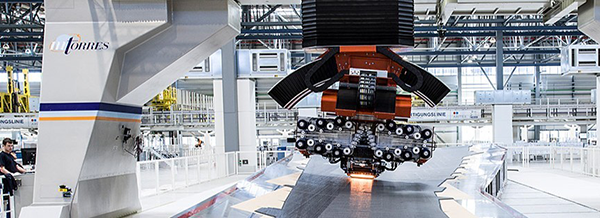
The MTorres was designed and developed as an industrial group, qualified in advanced technology to develop high-complexity innovative solutions in industrial process automation for the problems our customers may have. In this sense, our desire is always to provide with new solutions that improve productivity and efficiency, so that customers may consider us as part of them and defenders of their interests.
In its forty years of existence the group has maintained sustained development, so that today it is one of the leading international groups in the markets where it operates: Paper converting and aerospace sectors. Therefore, currently, this Group has managed its products to be present in over 70 countries with more than 620 customers. This expansion is based on its own technology and the company policy of dedication to work and reinvestment in order to guarantee its progress in the future.
Commitment to Total Quality, based on improvement and efficiency both in Products and Service, has met with the explicit recognition of its customers, who include some of the most prestigious and demanding companies in the market.


CSG Talent
Recruitment Expertise for the eVTOL Revolution
CSG Talent is a global executive search and recruitment firm specializing in future-focused industries, including aerospace and eVTOL. Their Future Mobility team connects eVTOL innovators with top-tier talent in propulsion, autonomy, certification, and leadership roles—critical for scaling next-gen aircraft programs.
With deep sector knowledge and a global network, CSG helps eVTOL companies overcome hiring challenges by delivering tailored recruitment solutions—from executive search to contract staffing. As the eVTOL industry accelerates, CSG Talent ensures companies are equipped with the people to power the future of flight.

Dewesoft
Integrated Testing Solutions for eVTOL Development and Certification
Dewesoft provides state-of-the-art data acquisition and analysis systems for comprehensive eVTOL testing—from structural integrity and electrical propulsion to NVH, flight control, and environmental validation. With flexible, high-speed DAQs and synchronized measurement across analog, digital, and bus data, Dewesoft enables precise testing at every stage of development. Their solutions support Iron Bird test benches, efficiency mapping, noise/vibration testing, wind tunnel validation, and power system analysis. Backed by award-winning software and a 7-year warranty, Dewesoft empowers eVTOL manufacturers to accelerate innovation with confidence, precision, and reliability.


VAC Magnetics
Magnetic Materials & Components for High-Performance eVTOL Propulsion
VAC is a global leader in advanced magnetic materials and components for next-generation electric motors and generators—critical to the success of eVTOL propulsion systems. With deep expertise in permanent magnets, cobalt-iron and nickel-iron alloys, lamination stacks, and custom rotor and stator assemblies, VAC enables lightweight, high-efficiency electric propulsion under the most demanding aerospace conditions. Their VACODYM® (NdFeB) and VACOMAX® (SmCo) magnet technologies offer superior energy density, thermal stability, and corrosion resistance—making them ideal for mission-critical e-flight applications. From materials science to final assembly, VAC offers a unique one-stop solution for electrified aviation.


Modern MRO
Precision Component MRO for Next-Generation Aircraft
Modern MRO specializes in the repair, testing, and support of high-performance components essential to eVTOL reliability and readiness. With deep expertise in fuel system components, hydraulic actuators, heat exchangers, and electromechanical assemblies, Modern MRO delivers fast, precise, and fully documented service tailored to the demands of emerging electric aviation platforms. Their advanced testing capabilities—including Instron-based fatigue analysis and precision load control—ensure every unit meets stringent operational standards. Whether supporting prototypes, heavy checks, or spares optimization, Modern MRO helps eVTOL operators stay airworthy, efficient, and on schedule.


Hexcel Corporation
Advanced Composite Materials for the Future of Urban Air Mobility
Hexcel is a global leader in advanced lightweight composites, powering the next generation of electric aviation with carbon fiber, prepregs, honeycomb, and engineered core materials. As a trusted partner to leading eVTOL innovators like Archer Aviation, Hexcel delivers aerospace-grade solutions that reduce weight, dampen noise, and enhance structural performance—key to enabling efficient, safe, and certifiable eVTOL aircraft. With deep experience in material certification and vertical integration from raw fiber to finished parts, Hexcel plays a pivotal role in making high-rate, energy-efficient eVTOL production a reality.

Kaman Corporation
Advanced Bearings, Drive Systems & Titanium Hardening for High-Performance eVTOL Applications
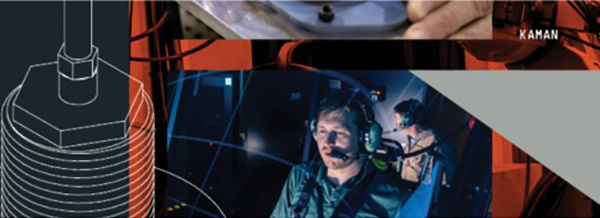
Kaman Corporation, through its subsidiary Kamatics, supplies mission-critical components to the aerospace and eVTOL sectors—including advanced bearings, drive systems, and structural assemblies. Leveraging its proprietary Titanium Diffusion Hardening (TDH) process, Kaman enables the use of lightweight titanium in high-load, high-wear applications—boosting strength, wear resistance, and performance in demanding eVTOL environments. With over 55 years of aerospace expertise and a proven track record in rotorcraft innovation, Kaman is a trusted partner in pushing the limits of durability, efficiency, and material science for next-generation vertical flight.


Speedgoat
Real-Time Simulation & Testing Solutions for eVTOL Development
Speedgoat accelerates the design, testing, and certification of eVTOL systems with cutting-edge hardware-in-the-loop (HIL) and rapid control prototyping (RCP) platforms tightly integrated with Simulink® Real-Time™. Aerospace innovators rely on Speedgoat to validate flight control systems, hybrid-electric propulsion, power management, and battery systems under realistic, real-time conditions.
With dedicated workflows for flight controllers, BMS, autoflight systems, FADEC, and sensor fusion, Speedgoat enables engineers to simulate full aircraft behavior—including flap actuation, avionics protocols, and electrical loads—before physical prototypes are built. Their powerful real-time target machines and support for aerospace standards like DO-178C ensure that development stays compliant, efficient, and scalable.
From flight testing to virtual SIL labs, Speedgoat equips eVTOL teams with the tools needed to bring safe, intelligent aircraft to market faster—transforming how urban air mobility takes off.


Amphenol Aerospace
High-Power Interconnect Solutions for Next-Gen eVTOL Systems
As urban air mobility rapidly evolves, Amphenol Aerospace provides mission-critical interconnect technologies to power the future of eVTOL aircraft. With decades of aerospace leadership, Amphenol delivers high-voltage, high-current connectors designed to meet the unique challenges of electric flight—including altitude resilience, EMI protection, and SWaP optimization.
Their portfolio includes 38999 high-voltage connectors rated up to 1500 VDC at 50,000 feet, customizable High Power 5015 connectors, and the Voltarius™ interconnect system for fast-charging and propulsion applications. Supporting advanced eVTOL platforms like those from Joby and Archer, Amphenol is helping manufacturers accelerate toward FAA certification and commercial launch. When reliability, power density, and safety matter most—Amphenol connects the future of flight.


NeoGraf Solutions
Advanced Thermal Management for eVTOL Battery Safety & Performance
NeoGraf Solutions is a global leader in graphite-based thermal management technologies critical to the safety, efficiency, and reliability of eVTOL aircraft. As battery-powered aviation platforms face increasing energy density demands, NeoGraf’s flexible graphite solutions address the industry’s most pressing challenge: heat.
Their lightweight, high-performance products—including eGraf® SpreaderShield™ heat spreaders and NeoNxGen™ materials—dissipate hot spots and mitigate thermal runaway risk in high-voltage battery systems. Additionally, GraFoil® GTB gaskets provide high-temperature sealing that withstands harsh operating conditions without compromising reusability.
Proven in EV and aerospace sectors, NeoGraf’s materials are already helping eVTOL developers enhance battery safety, extend pack life, and meet demanding regulatory standards—making them a trusted partner for next-generation aviation.


Pivotal
Personal eVTOL Aircraft for Individual Urban Air Mobility
Pivotal advances personal electric vertical takeoff and landing (eVTOL) flight with Helix, a low-barrier, pilot-friendly aircraft merging fun, function, and future-forward design to expand access and steer urban air mobility toward adventure.
Built for simplicity, safety, and ease of use, Helix employs a fixed-rotor multirotor configuration with no moving control surfaces or tilting wings. Semi-autonomous, assistive flight features help novice pilots, reducing the learning curve and enhancing safety while lightweight structures and electric propulsion keep handling easy.
Designed to comply with FAA Part 103 Ultralight Rules, Helix can be flown in the United States without a traditional pilot’s license, opening the door to broader personal ownership and use. Free from vertiport dependence, it can operate from small private properties or clear fields, significantly lowering adoption barriers.


LifePort
Lightweight Interiors & Medical Mission Equipment for eVTOL Platforms
LifePort brings decades of aerospace expertise to the emerging eVTOL industry with advanced interior solutions, mission equipment, and lightweight composite structures tailored for urban air mobility applications.
Known for their work in air medical systems and VIP interior customization, LifePort offers modular, weight-optimized cabin solutions ideal for eVTOL air taxis and EMS aircraft. Their AeroSled® and AeroVac® systems, already proven in rotorcraft and fixed-wing platforms, are well-suited for electric aircraft requiring compact, high-performance equipment for critical care and rapid deployment.
Through the integration of Aeromatrix Composites, LifePort strengthens its offering of high-performance composite components—supporting eVTOL OEMs with scalable manufacturing, durability, and flight safety compliance.
Whether enhancing cabin comfort, enabling medevac operations, or reducing structural mass, LifePort delivers proven aerospace innovation to the next generation of vertical lift aircraft.


The Soundcoat Company
Noise, Vibration & Thermal Management Solutions for eVTOL Aircraft
The Soundcoat Company supports the next generation of electric vertical takeoff and landing (eVTOL) aircraft with advanced noise, vibration, and thermal insulation technologies that enhance cabin comfort, operational safety, and community acceptance.
As eVTOL platforms push to deliver quieter, more efficient urban air mobility, Soundcoat provides aerospace-grade acoustic and damping solutions tailored to electric propulsion systems and lightweight structures. Their products mitigate engine noise, aerodynamic turbulence, and structural vibration—key contributors to passenger discomfort and urban noise pollution.
With AS9100:2016 certification and decades of experience in aerospace and aviation, Soundcoat collaborates with OEMs to meet strict industry standards while optimizing interior acoustic environments and thermal protection. From launch vehicles to rotorcraft to next-gen eVTOLs, Soundcoat helps reduce noise and elevate flight performance in the skies of tomorrow.

Bloomy
HIL Simulation & Validation Systems for eVTOL Flight Control & Battery Management
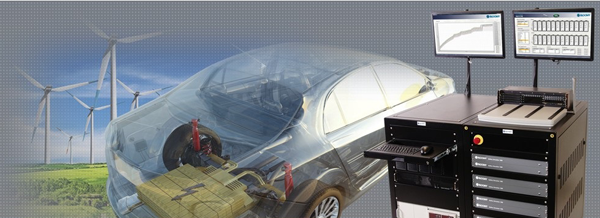
Bloomy is accelerating the development and certification of eVTOL aircraft with cutting-edge hardware-in-the-loop (HIL) test systems that validate flight control and energy management systems in real time.
Their eVTOL Integrated HIL Test System provides a repeatable, closed-loop environment to simulate control surfaces and battery behavior during all flight phases—forward, vertical, and transitional. By combining Bloomy’s powerful BS1200 battery simulator with platforms from NI, The MathWorks, and others, the system enables high-fidelity testing for system integration labs (SILs), significantly reducing cost, complexity, and time to market.
From digital transformation to certification readiness, Bloomy delivers proven tools for efficient, scalable testing of mission-critical eVTOL electronics—from tip to tail.

Alakai Technologies
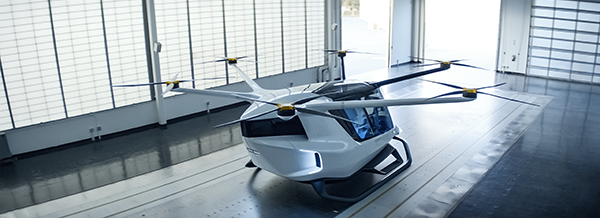
Alaka’i Technologies is a U.S.-based aerospace company developing an innovative hydrogen-powered eVTOL (electric Vertical Take-Off and Landing) aircraft called Skai. Their focus is on zero-emission air mobility, combining clean energy with VTOL capability for a variety of use cases.
-
Hydrogen Fuel Cell Power: Unlike most eVTOLs that use lithium-ion batteries, Skai uses hydrogen fuel cells for longer range, faster refueling, and reduced environmental impact.
-
Range and Payload: Up to 4 hours of flight time, Approximately 400 miles range, Capable of carrying up to 1,000 pounds or five passengers.
-
Use Cases: Urban air mobility (UAM), Emergency medical response, Cargo transport, Disaster relief, Rural and remote area transportation
-
Design: Multirotor configuration with six rotors for lift and stability, Autonomous-ready flight control systems, Emphasis on safety, sustainability, and simplicity
-
Sustainability: Zero emissions, Water vapor is the only byproduct of the hydrogen fuel system


TORAY
Lightweight Composite Materials for High-Performance eVTOL Structures
Toray supports the eVTOL revolution with aerospace-grade thermoset and thermoplastic composite materials engineered to reduce weight, enhance structural integrity, and enable scalable manufacturing of electric aircraft.
With a proven legacy in aerospace and high-performance automotive, Toray’s materials empower the design of strong, lightweight airframes, propulsion housings, battery enclosures, and interior components—helping OEMs maximize range, payload, and efficiency. Their advanced fiber-reinforced solutions also provide noise-dampening and thermal resilience critical for urban air mobility.
From rotor blades and seat structures to lightning-strike protection and high-rate tooling, Toray delivers a comprehensive portfolio of materials that accelerate certification and production readiness—shaping the future of advanced air mobility with performance you can count on.


JL Mag USA
High-Performance Magnetic Materials for eVTOL Electric Propulsion Systems
JL MAG supports the electrification of next-generation eVTOL aircraft with advanced neodymium-iron-boron (NdFeB) permanent magnets that enable compact, high-efficiency propulsion.
As a trusted supplier to leading EV and industrial sectors, JL MAG’s high-performance magnetic materials deliver the torque density, energy efficiency, and thermal stability essential for eVTOL vertical lift, cruise, and hybrid-electric systems. Their lightweight solutions help optimize motor performance while reducing weight—directly supporting range, payload, and flight endurance.
With proven expertise in new energy vehicles, robotics, and high-tech manufacturing, JL MAG brings scalable, aerospace-grade magnet technology to the heart of eVTOL propulsion—powering the future of advanced air mobility.

Hesse Mechatronics
Ultrasonic Wire Bonding & Cell Contacting Solutions for eVTOL Battery Systems
Hesse delivers advanced ultrasonic wire bonding and battery cell contacting systems that enable high-performance, reliable, and scalable battery packs for next-generation eVTOL aircraft.
Specializing in battery cell interconnection and precise voltage sensing, Hesse’s technology ensures robust electrical connectivity for Battery Management Systems (BMS/BMB), critical to safety and performance in eVTOL propulsion. Their ultrasonic bonding process creates strong, low-resistance joints ideal for high-voltage, high-power aviation battery architectures.
With proven solutions in electric mobility and energy storage, Hesse helps eVTOL developers accelerate production of lightweight, efficient, and thermally stable battery modules—supporting the electrification and certification of advanced air mobility platforms.
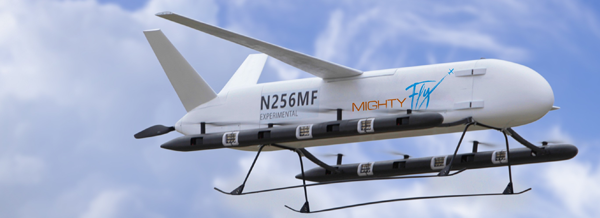

MightyFly
To revolutionize logistics with end-to-end autonomous aerial delivery—faster, greener, and more scalable than ground-based transport. MightyFly is an autonomous cargo eVTOL (electric Vertical Take-Off and Landing) aircraft developer focused on automating middle-mile logistics with long-range, high-capacity delivery drones.
Key Aircraft Features
-
Hybrid-electric eVTOL platform
-
Vertical takeoff and landing (VTOL) with fixed-wing efficiency
-
Up to 500 lb (227 kg) cargo capacity
-
600-mile range (965 km)
-
Max speed of 150 mph (241 km/h)
-
Autonomous flight and cargo operations
-
Carbon-neutral delivery model
Aircraft Extrusion Company
Essential Aluminum Extrusions Powering eVTOL Structural Fabrication
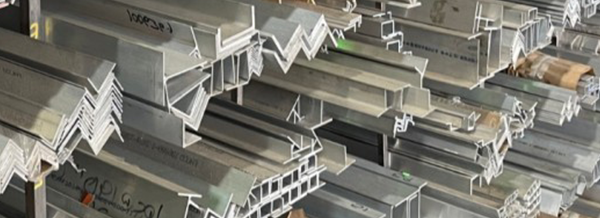
Located in Chico, California, Aircraft Extrusion Company is a leading provider of aerospace-grade aluminum extrusions. Specializing in alloys such as 2024, 6061, and 7075, Aircraft Extrusion supplies standard and custom profiles—including seat tracks, aircraft tubes, and complex structural shapes—to designers, OEMs, maintenance facilities, and production shops across aviation sectors.
Aircraft Extrusion offers one of the industry’s most extensive databases, with over 40,000 cross-referenced part numbers from legacy catalogs like Tiernay Metals, plus more than 2,000 items in stock across multiple alloys. Their manufacturing and inspection protocols are built around excellence—ISO 9001:2015 and AS9100 D-certified quality systems, CNC metrology, Statistical Process Control, and ultra-durable packaging ensure parts meet aerospace-grade reliability and traceability.
As eVTOL platforms advance from prototypes to production, the need for lightweight, high-strength structural materials grows exponentially. Aircraft Extrusion enables fast turnaround for critical components—from fuselage stringers and internal framing to landing gear assemblies—critical in maintaining development momentum. Their rapid quote system, responsive technical support, and supply chain integrity make Aircraft Extrusion a vital enabler for eVTOL manufacturers targeting certification benchmarks and production ramp-up.
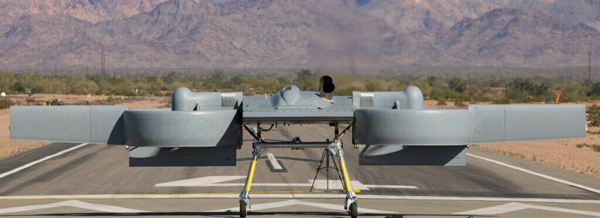

Piasecki Aircraft Corporation
Pioneering eVTOL & Hybrid Rotorcraft with Hydrogen and Compound VTOL Tech
Piasecki brings over six decades of innovation in vertical flight, transitioning from legacy helicopters to next-gen eVTOL platforms. Key offerings include:
-
PA‑890 Slowed‑Rotor Compound eVTOL: A five-seat, full-electric design promising 50% lower operating costs, reduced noise, and zero emissions—paving the way for FAA Part 27 certification.
-
HAXEL Hybrid‑Electric Coaxial Demonstrator: Converting a two-seat CoAX‑2D helicopter to hybrid-electric, using hydrogen fuel cells, marking a first step toward zero-emission vertical flight.
-
ARES Tilt‑Duct VTOL UAS: A modular, multi-mission unmanned platform with successful tethered hover flights, funded by U.S. Air Force and Army initiatives.
-
Rapid Prototyping & Certification Support: Leverages AS9100-certified rapid prototyping and flight testing, enabling efficient iteration from concept to airworthiness.
With deep roots in compound rotorcraft and hydrogen-electric propulsion, Piasecki combines technical heritage with forward-looking technologies—positioning them as a strategic partner for the eVTOL industry’s evolution.


Tampa International Airport
A Launchpad for eVTOL Integration & Urban Air Mobility Innovation
Tampa International Airport (TPA) is leading the charge in integrating eVTOL and Advanced Air Mobility (AAM) technologies into the fabric of modern aviation. In partnership with Volocopter, TPA became the first major U.S. airport to host a successful crewed eVTOL demonstration flight, marking a historic milestone for Florida and the nation.
As part of its innovation-driven master plan, TPA has formed a dedicated AAM committee focused on infrastructure planning, regulatory alignment, and airspace integration to support safe, efficient eVTOL operations within the next 5–10 years. The airport is actively working with state, federal, and industry partners—including the FAA—to lay the groundwork for vertiports, flight corridors, and public engagement strategies.
By welcoming pioneering technologies and showcasing real-world eVTOL operations, Tampa International is positioning itself as a national model for urban air mobility readiness, enabling a quieter, greener, and more connected future of air travel.


PTC
Digital Engineering & Lifecycle Solutions for eVTOL Development and Operations
PTC empowers eVTOL manufacturers to accelerate design, streamline certification, and enhance operational readiness with a powerful suite of aerospace-proven digital technologies. From concept to certification and beyond, PTC’s integrated CAD, PLM, ALM, and SLM solutions create a seamless digital thread that connects every stage of the eVTOL lifecycle.
Their platforms enable collaborative development of composite structures, electric propulsion systems, and autonomous flight software while supporting regulatory compliance (FAA, DO178C, DO254), variant management, and rigorous testing. With real-time traceability and model-based engineering, eVTOL developers can reduce cost, compress time-to-market, and deliver mission-ready aircraft for urban air mobility.
From digital twin environments to predictive maintenance and fleet support, PTC brings the agility and scalability needed to transform eVTOL from prototype to production—at the speed of innovation.


Simutech Group Inc
Simulation-Driven Propulsion & Energy Storage Innovation for eVTOL Aircraft
SimuTech Group empowers the eVTOL revolution through cutting-edge simulation technologies that accelerate the development of electric, hybrid, and hydrogen propulsion systems. As North America’s largest certified Ansys partner, SimuTech supports startups and OEMs in designing propulsion and energy storage systems that are lighter, quieter, cleaner, and safer.
By integrating multiphysics tools across structural, thermal, electromagnetic, and control domains, SimuTech enables:
-
Electric drivetrain and motor optimization
-
Thermal and EMI management for battery and fuel cell systems
-
Vibration analysis and structural resilience under flight loads
-
Embedded control system development and functional safety validation
From cryogenic hydrogen storage to high-power battery packs, SimuTech’s simulation expertise ensures eVTOL systems meet rigorous performance and certification standards—reducing physical prototyping, enhancing safety, and shortening time to market. With deep aerospace know-how and full-system modeling capabilities, SimuTech is a trusted innovation partner fueling the future of sustainable vertical flight.


Lyten
Lightweight Lithium-Sulfur Batteries for High-Performance eVTOL Propulsion
Lyten is redefining electric propulsion for eVTOL aircraft with its next-generation lithium-sulfur battery technology, engineered to deliver ultralight, high-energy storage critical for extended flight range, greater payload, and vertical takeoff performance.
Built on Lyten’s proprietary 3D Graphene™ platform, these cobalt-, nickel-, manganese-, and graphite-free batteries offer unmatched energy density, enhanced safety, and supply chain security—a game-changer for both commercial eVTOL manufacturers and defense applications.
With a new automated pilot production line and growing partnerships across urban air mobility, Lyten is enabling the scalable electrification of advanced air platforms. By minimizing weight and maximizing efficiency, Lyten’s lithium-sulfur chemistry unlocks longer missions, faster turnaround times, and lower environmental impact—powering the future of sustainable air transport.


Oak Ridge National Laboratory
Advanced Battery Research for eVTOL Performance, Safety & Longevity
Oak Ridge National Laboratory is accelerating the development of next-generation battery technologies tailored for the unique demands of eVTOL aircraft. Focused on high-discharge, high-power requirements during vertical takeoff and landing, ORNL’s research is unlocking the chemistry and system-level innovations needed to ensure battery performance, durability, and safety under extreme conditions.
By simulating real eVTOL flight profiles, ORNL evaluates how different battery chemistries respond to stress, identifying degradation patterns and optimizing for extended cycle life. Their work spans beyond electrochemistry into materials science and battery system engineering—advancing the energy density, thermal stability, and reliability critical to safe, scalable urban air mobility.
With deep government and industry collaborations, ORNL is laying the foundation for high-performance, aviation-grade battery systems that will power the future of electric flight.


Kistler Instrument Corp
Precision Measurement Technologies for eVTOL Ground and Flight Testing
Kistler supports the development and certification of eVTOL aircraft with industry-leading sensor and data acquisition solutions tailored to the unique demands of electric vertical lift systems. Backed by over 60 years of aerospace testing experience, Kistler’s advanced instrumentation ensures performance, safety, and structural integrity from prototype to operation.
Kistler provides a comprehensive portfolio of lightweight, high-sensitivity sensors for vibration analysis, structural health monitoring, and propulsion system validation in both ground-based and airborne test environments. Their technologies are ideal for testing electric motors, battery systems, flight loads, landing gear, and critical safety components.
From triaxial accelerometers to multi-component force sensors, Kistler enables:
-
Real-time vibration monitoring of electric propulsion systems
-
Thrust, torque, and reaction force measurements
-
Battery thermal runaway and safety testing
-
Payload stability and landing gear impact testing
-
Zero-defect production monitoring with full traceability
With a proven track record supporting leaders like Airbus and DLR, Kistler delivers aerospace-grade testing solutions essential for advancing Advanced Air Mobility (AAM) certification and operational readiness.


Taylor Devices, Inc.
Advanced Shock Absorption and Landing Gear Solutions for eVTOL Aircraft
Taylor Devices delivers next-generation energy absorption systems tailored for eVTOL landing gear applications, providing robust, compact, and maintenance-free solutions that enhance safety, range, and payload capacity.
With over six decades of aerospace experience, Taylor Devices engineers custom landing gear shock absorbers and isolators specifically suited to the demands of electric vertical takeoff and landing aircraft. Their non-pressurized designs outperform conventional high-pressure systems with superior reliability, zero maintenance requirements, and exceptional performance across extreme temperature ranges.
Ideal for lightweight, compact eVTOL platforms, Taylor’s arresting and landing gear technologies reduce cost and complexity while improving operational safety and resilience—even in unmanned and autonomous configurations. Trusted across aerospace and defense, Taylor Devices empowers the future of advanced air mobility with shock management systems built for mission-critical reliability.


Skyway
Integrated Airspace and Vertiport Management Solutions for eVTOL Operations
Skyway is shaping the future of urban air mobility with comprehensive digital infrastructure and traffic management systems designed to safely scale eVTOL and drone operations in urban and regional environments.
As a leading Air Traffic Management Service Provider (ATMSP), Skyway delivers next-generation solutions for vertiport traffic control, airspace deconfliction, and real-time situational awareness through its Command Operations Center. Its Vertiport Management Systems (VMS) support seamless eVTOL parking, charging, storage, and maintenance operations—empowering safe and scalable deployments across cities.
With AI-driven routing, low-altitude weather analytics, and high-definition obstacle avoidance, Skyway’s Urban Air Traffic Management (UATM) platform ensures optimized flight planning, risk mitigation, and mission reliability. From infrastructure planning and simulation to sUAS mission control, Skyway provides an end-to-end digital ecosystem for the advanced air mobility revolution.


R-tek Thermal Solutions
Custom Thermal Management for eVTOL Electronics and Battery Systems
R-TEK provides specialized thermal interface materials and design support to meet the critical thermal management demands of eVTOL platforms, ensuring safety, performance, and reliability across battery systems, avionics, and power electronics.
As an independent thermal solutions provider, R-TEK partners with global suppliers and integrators to identify and deliver application-specific materials for managing heat in compact, high-power-density environments like eVTOL. Their offerings include polymer-based thermal pads, coatings, adhesives, and encapsulants tailored to support rapid prototyping, high-efficiency cooling, and robust environmental performance.
From pre-production engineering and global fulfillment to hands-on design assistance and fast-turn prototyping, R-TEK empowers eVTOL developers with flexible, cost-efficient thermal solutions that enhance performance and accelerate time to market—ensuring flight-critical components remain cool, compact, and compliant.


ANRA Technologies
Airspace Management Solutions for Safe eVTOL and AAM Operations
ANRA Technologies is shaping the future of eVTOL and Advanced Air Mobility (AAM) by delivering mission-critical airspace management software that enables the safe, scalable, and efficient integration of electric vertical aircraft into urban and regional environments.
As a Provider of Services for UAM (PSU), ANRA offers a modular and aircraft-agnostic platform built on microservices architecture that manages everything from mission planning and flight deconfliction to airspace authorization, tracking, and constraints management.
Their Vertiport Management System (VMS) delivers real-time monitoring and intelligent scheduling for vertiports, ensuring seamless coordination of autonomous and piloted eVTOL aircraft in both dense urban and remote settings.
Key capabilities include:
-
End-to-end airspace coordination from takeoff to landing
-
Adaptive scheduling for high-traffic vertiport environments
-
Digital twinning and U-Space integration for complex urban airspaces
-
Robust cybersecurity and compliance with aviation-grade data protection
-
Real-time situational awareness for authorities and operators
Trusted in 15+ countries, ANRA’s interoperable solutions are aligned with evolving global regulations and empower the safe rollout of eVTOL operations—pioneering a smarter, more connected air mobility ecosystem.


Ramco Systems
Digital MRO & ERP Solutions for the eVTOL Ecosystem
Ramco Systems is accelerating the adoption and operational readiness of eVTOL aircraft with next-gen aviation software that connects the entire lifecycle—from design and production to flight operations and predictive maintenance.
Tailored to the unique needs of electric vertical takeoff and landing platforms, Ramco’s Aviation ERP suite enables OEMs, operators, and MRO providers to manage manufacturing, supply chain, maintenance, and flight operations within a single, integrated platform. With advanced tools like AI-powered diagnostics, IoT-enabled monitoring, and predictive maintenance analytics, Ramco ensures eVTOLs remain airworthy, efficient, and safe throughout their operational lifecycle.
As the eVTOL sector shifts from prototype to scale, Ramco’s cloud-based, mobile-first solutions empower real-time decision-making, digital documentation, and regulatory compliance—supporting everything from autonomous UAS operations to hybrid helicopter-eVTOL fleet management.
By bridging aviation expertise with transformative IT, Ramco is helping shape the digital backbone of tomorrow’s urban air mobility.


Theion
High-Energy Lithium-Sulfur Batteries for Next-Gen eVTOL Aircraft
Theion is transforming electric aviation with its next-generation lithium-sulfur battery technology, purpose-built for the demanding performance requirements of eVTOL aircraft. Offering up to three times the energy density of conventional lithium-ion cells, Theion’s solid-state solution enables longer range, greater payload capacity, and extended flight times for air taxis, cargo drones, and advanced air mobility platforms.
Engineered for faster charging and enhanced safety, Theion’s batteries mitigate issues like dendrite formation and thermal instability, addressing critical challenges in eVTOL operations. With a focus on lightweight materials and high specific energy, their technology supports more sustainable and scalable electrified flight.
Backed by a growing Berlin-based manufacturing footprint, Theion is accelerating the commercial readiness of its lithium-sulfur platform—powering the future of high-performance, zero-emission vertical lift with safe, high-capacity energy storage for the skies.

Wingard
Precision Metal Components and Motor Cores for eVTOL Propulsion Systems
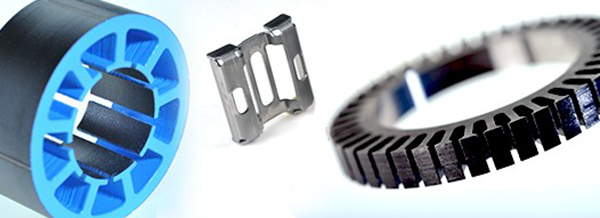
Wingard & Company supports the eVTOL industry with high-performance aerospace-grade components, specializing in precision metal stampings, electric motor laminations, and custom assemblies essential for propulsion, actuation, and onboard electrical systems.
With over 60 years of manufacturing expertise and AS9100D certification, Wingard delivers critical parts for electric vertical takeoff and landing (eVTOL) aircraft—including stator and rotor laminations, lightweight structural components, and high-magnetic-performance motor cores. These are tailored to meet the demanding weight, power, and reliability requirements of next-generation air mobility platforms.
Their in-house capabilities—from laser cutting and vacuum bonding to CNC machining and magnetic testing—enable rapid prototyping, tight tolerance control, and scalable production. As a trusted ITAR-approved supplier, Wingard plays a vital role in advancing safe, efficient, and electrified flight for urban and regional air mobility.


M4 Engineering
Digital Design & Analysis Expertise for eVTOL Aircraft Innovation
M4 Engineering is accelerating the development of eVTOL aircraft through advanced simulation, structural analysis, and conceptual design services. With deep aerospace engineering expertise, M4 plays a key role in crafting lighter, more efficient, and certifiable eVTOL airframes for the next generation of urban air mobility.
As a NASA University Leadership Initiative partner, M4 Engineering collaborates with top institutions to pioneer new methods for electric aircraft design, integrating multidisciplinary tools that optimize aerodynamics, structures, propulsion, and thermal systems.
From early-stage flight vehicle concepts to high-fidelity simulations and digital twin development, M4 delivers tailored solutions that help eVTOL manufacturers reduce development timelines, enhance performance, and meet regulatory and safety goals—enabling the future of clean, quiet, and connected air transport.


Advantech International
Precision Components & Sensing Systems for Next-Generation eVTOL Aircraft
AdvanTech International is enabling the evolution of eVTOL aircraft with advanced sensing technologies, structural fasteners, and thermal management solutions engineered for the demanding environments of urban air mobility. With a multi-industry legacy and aerospace-grade quality, AdvanTech delivers key components that enhance safety, performance, and reliability.
Supporting propulsion, navigation, and airframe integration, AdvanTech provides precision rotational position sensors, inertial measurement units (IMUs), and gyroscopes for accurate flight control, alongside high-efficiency battery cooling plates, heat sinks, and thermal materials to manage the heat loads of electric propulsion systems.
Through a global supply network and technical design assistance, AdvanTech enables eVTOL OEMs to optimize structures with lightweight fasteners, battery terminal pins, and custom cold-formed parts—reducing weight while maintaining durability and structural integrity.
By combining aerospace-proven technologies with flexible manufacturing capabilities, AdvanTech International helps accelerate the safe, efficient deployment of eVTOL platforms—advancing the future of connected, electric air mobility.

XFlier
Energy-Efficient eVTOL Design with Pivoting Wings and Enclosed Propulsion
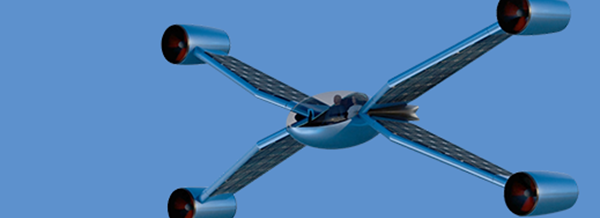
XFlier is a next-generation electric vertical takeoff and landing (eVTOL) aircraft that reimagines flight efficiency, safety, and simplicity. Its patented configuration features pivoting, airfoil-shaped wings that transition into horizontal flight—dramatically extending range and reducing energy demands compared to traditional multi-rotor designs.
Four ducted fan nacelles, each housing dual counter-rotating motors, deliver enhanced thrust, safety, and redundancy—while eliminating exposed rotors. With no tail, rudder, or complex control surfaces, the XFlier’s X-wing layout reduces structural complexity and maintenance requirements.
Autonomous flight capabilities, dynamic battery balancing, obstacle detection, and a ballistic recovery system are standard, making XFlier a strong contender for both commercial and personal urban air mobility. Designed for over 300 miles of range and 150+ mph top speeds, the XFlier combines performance, safety, and futuristic aesthetics into a practical, scalable eVTOL solution for the skies ahead.


VARON
Integrated Urban Air Mobility Infrastructure for Scalable eVTOL Operations
Varon is pioneering a disruptive model for eVTOL transportation through a fully integrated urban air mobility (UAM) ecosystem, combining aircraft operations, vertiport infrastructure, and digital airspace management to enable fast, clean, and efficient aerial connectivity.
At the core of Varon’s solution is a three-part infrastructure: fleets of next-generation electric eVTOL aircraft from leading OEMs, purpose-built vertiports designed for rapid deployment, and virtual airspace corridors developed in coordination with aviation authorities. This approach enables high-frequency, low-altitude operations without the need for physical infrastructure between destinations.
Targeting critical markets—including tourism, public transit, logistics, medical response, and law enforcement—Varon’s system delivers socio-economic benefits while reducing ground congestion and emissions. By creating a scalable, aircraft-agnostic platform for regional and urban mobility, Varon is reshaping how people and goods move across underserved cities and regions.


CAMP Systems
Maintenance & Compliance Management for the Emerging eVTOL Ecosystem
CAMP Systems, a leading provider of aviation maintenance tracking and engine health monitoring solutions, is poised to play a key role in supporting the operational integrity of the eVTOL sector as it scales toward commercialization.
With over five decades of experience managing airworthiness for fixed-wing and rotorcraft fleets, CAMP offers expertise in predictive maintenance, regulatory compliance, and aircraft health monitoring—all of which are critical to the safety and reliability of electric vertical takeoff and landing operations.
As eVTOL fleets grow, the demand for digital tools to track battery performance, electric motor wear, and mission-critical maintenance intervals will intensify. CAMP’s cloud-based systems and data analytics, combined with its strong OEM relationships, position it to expand into electric aviation—enabling eVTOL operators to reduce downtime, ensure regulatory compliance, and extend fleet lifespan.
By leveraging its trusted infrastructure, CAMP Systems can become a foundational player in the UAM ecosystem, offering scalable, aircraft-agnostic solutions that support the long-term safety and sustainability of advanced air mobility.


Drone Industry Systems
Turn‑Key Autonomous Infrastructure for eVTOL & Drone Networks
Drone Industry Systems Corp is pioneering fully autonomous, decentralized infrastructure for the intelligent deployment of eVTOLs and drones alike. Through its patented Smart Rooftop/Ground DronePort/Vertiport In‑a‑Box™ system, DISC offers turn-key solutions that combine physical infrastructure—landing pads, charging/wireless stations, weather towers—with embedded AI and blockchain-enabled data mining capabilities to support passenger and cargo operations at scale.
DISC’s platform integrates advanced hardware and software modules—including Smart Drone Delivery Pads, Smart Doorbell Data Miners, Battery Swapping Zones, and logistics applications—to manage fleet operations, consumer hailing, vendor coordination, and environmental data collection. Designed for both ground and aerial vehicles, the system supports eVTOL fleets, delivery drones, autonomous ground vehicles, and smart city infrastructure within a unified ecosystem.
Leveraging AI, blockchain, Web3 architectures, and multimodal mobile applications, DISC enables real-time decision-making, weather-sensing, and usage analytics to optimize operations and monetize data flows. The company pioneers a “Metaverse of Infrastructure,” bridging physical vertiports with digital infrastructure layers for logistic automation, predictive analytics, and secure data exchanges—all delivered as a modular, deployable system.
As regions prepare for urban air mobility rollout, Drone Industry Systems stands ready with scalable, smart infrastructure solutions. Their Vertiport-in-a-Box enables airports, campuses, retail centers, and communities to rapidly deploy eVTOL operational nodes with integrated fleet management, environmental sensing, and user connectivity.

LuftCar
Hydrogen-Powered eVTOL for Air & Road Mobility
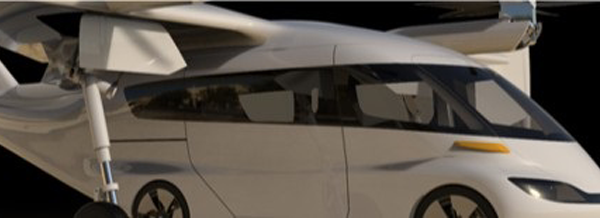
LuftCar is pioneering a hydrogen fuel cell‑battery hybrid electric VTOL vehicle that doubles as a road‑drivable car. Its modular design allows a four‑seat vehicle pod to dock with a detachable wing assembly and multiple propellers—transforming seamlessly into an autonomous eVTOL aircraft.
Tailored to serve last‑mile logistics, remote passenger service, medical evacuation, and defense applications, LuftCar’s “flying forklift” concept can airlift ground vehicle pods or cargo containers into areas unreachable by conventional roads or aircraft. Its hydrogen propulsion enables zero‑emission operation, while the modularity simplifies landing logistics and ground delivery. The company is also designing HYDROB, a hydrogen powertrain platform compatible with other eVTOL OEMs to advance scalable adoption of hydrogen in air mobility.
LuftCar is working with partners such as Bosch Aviation to build fuel cell balance‑of‑plant systems and developing hydrogen infrastructure—dubbed “LuftPads”—to support both its aircraft and broader industry needs in refueling, energy storage, and utility applications. Early-stage deployment plans focus on Northeast U.S. states like Connecticut and New Jersey and include a strategic MOU for development in the Philippines to support island‑based operations. The company has earned recognition as a top aviation startup (2024) and was named Hydrogen Aviation Innovator of the Year by Live Green CT.
By combining road‑air flexibility, autonomous operation, hydrogen propulsion, and patented docking systems, LuftCar elevates the eVTOL narrative toward more versatile, longer‑range, and sustainable solutions. Their approach positions LuftCar not just as an aircraft OEM, but as an integrator of infrastructure, mobility platforms, and energy systems—making them a strategic asset for the eVTOL SHOW Conference and the broader advanced air mobility community.


Jaunt Air Mobility
Innovating Slowed‑Rotor eVTOL for Urban Air Mobility
Jaunt Air Mobility is a next‑generation eVTOL developer headquartered in Dallas, Texas, with design and manufacturing in Montréal, Canada. Their flagship aircraft, the Jaunt Journey, leverages a patented Slowed‑Rotor Compound (SRC/ROSA™) architecture to deliver vertical takeoff and landing via a large rotor, then transition to wing-borne cruise by slowing the rotor to minimize drag and vibration—unlocking lift-to-drag ratios up to five times that of traditional helicopters.
Designed to carry up to four passengers plus a pilot, the Journey targets cruise speeds around 175 mph (~282 km/h) with a range of approximately 80–120 miles and ultra-low acoustic signature (~55 dB during cruise) for minimal urban noise impact. Uniquely, in the event of total propulsion loss at any altitude or speed, its slowed rotor enables safe autorotation or glide descent—adding robust safety resilience aligned with commercial aviation certification standards under FAA Part 29.
Jaunt has completed over 300 hours of manned flight testing, achieving more than 1,000 take-offs and landings to validate its slowed-rotor design and transition performance. As a subsidiary of AIRO Group Holdings, Jaunt is scaling global partnerships—including supply chain support via GPSI in Québec, vertiport and infrastructure coordination through its Access Skyways alliance (with Avports), and customer agreements like Redwings in Mexico and BLADE India for air taxi deployments from 2027 onward.
By combining SRC technology, real-world flight validation, and a Tier-1 aerospace partnership structure, Jaunt Air Mobility is delivering a highly efficient, quiet, and certifiable eVTOL solution. Their focus spans passenger air taxi services, emergency response, cargo missions, and corporate transport, aligning directly with the needs of the burgeoning Advanced Air Mobility ecosystem.


L&L Products
Advanced Material Solutions for Next-Gen Mobility
L&L Products is a global leader in material science and engineering solutions, specializing in static sealing, acoustic management, vibration reduction, structural reinforcement, and composite technologies. With over six decades of experience and a presence in more than 30 countries, L&L serves industries where performance, safety, and innovation intersect—including aerospace, automotive, and electric mobility.
Enabling Lightweight, Quiet, and Resilient eVTOL Design
For the eVTOL sector, L&L delivers lightweight composite reinforcements, structural bonding adhesives, and acoustic solutions that enhance aircraft integrity and passenger comfort. Their Continuous Composite Systems™ (CCS™) and Composite Body Solutions™ (CBS™) offer significant weight savings and structural rigidity, while DECI-TEX® acoustic fiber systems and advanced sealing technologies help ensure a quiet, sealed, and efficient cabin experience—critical for urban air mobility.
L&L Products combines material expertise with advanced engineering to help eVTOL manufacturers solve complex design and manufacturing challenges. With technologies designed for multi-material bonding, vibration isolation, and scalable robotic application, L&L supports the industry’s push toward safer, lighter, and more sustainable air vehicles. As the eVTOL landscape takes flight, L&L stands ready as a trusted innovation partner.


Coherent Corp
Photonic Technologies Enabling eVTOL Systems
Coherent Corp., a global photonics leader headquartered in Saxonburg, Pennsylvania, is renowned for delivering engineered materials, laser systems, optical communications, and semiconductor solutions across industrial, electronics, aerospace, instrumentation, and sensing markets. With roots dating to 1971 and having adopted the Coherent name after acquiring Coherent, Inc. in 2022, the company now operates over 130 worldwide locations with a workforce of more than 26,000 professionals.
As eVTOL platforms evolve toward autonomous, highly reliable operations, robust sensing and manufacturing precision are critical. Coherent delivers high-performance lasers and photonic components—such as diode lasers, fiber lasers, ultrafast amplifiers, and machine‑vision modules—that support precision metal/composite cutting, welding, drilling, and marking processes foundational to airframe production or battery enclosure fabrication. Their laser radar (CLR/LiDAR) and fiber-optic gyroscope technologies enhance spatial awareness, navigation, and collision avoidance systems essential for eVTOL safety and autonomy.
Coherent’s access to advanced semiconductor platforms—including VCSELs and SiC substrates—enables high-reliability optical and thermal components used in advanced avionics and sensor modules critical for aircraft and mission systems. Their Coherent Labs organization supports customers in hundreds of R&D and prototyping projects annually, accelerating new capabilities in manufacturing processes, materials bonding, and automation—key to scaling eVTOL production under aerospace quality standards.


Technology Marketing Inc.
Composite Materials Enabler for eVTOL Manufacturing
Technology Marketing Inc. has built its reputation as a premier distributor and manufacturer of advanced fiber-reinforced composite materials for aerospace and high-performance industries. Serving sectors that demand ultra-lightweight and high-strength structures, TMI offers a broad catalog—including tooling materials, resin systems, woven reinforcements, prepregs, structural foam core, mold releases, elastomers, abrasives, and process accessories—tailored to precision composite fabrication.
As the eVTOL industry accelerates toward certification and scaled production, materials consistency and structural performance are mission-critical. TMI delivers the essential composite constituents—resins, reinforcements, adhesives, tooling aids—that underpin high-rate manufacturing of battery enclosures, fuselage skins, rotor blades, interior components, and structural frames. Their ISO-certified quality systems and decades of materials expertise ensure reliability in aerospace-grade fabrication processes.
Beyond distribution, TMI has extended its technical footprint through partnerships like the exclusive North American distribution of digital vacuum sensors (VacPuc), enhancing composite layup quality and process control in advanced manufacturing environments. Additionally, TMI expanded its manufacturing breadth by acquiring the intellectual property of SR Composites’ Sprayomer technology—further enabling scalable, high-performance composite applications.


Barich
Strategic Airport & Infrastructure Consultancy for eVTOL Integration
Barich, Inc. is a specialist airport consulting and IT management firm serving aviation stakeholders globally. They partner with airport authorities—such as Phoenix, Burbank‑Glendale‑Pasadena, and San Antonio—to align digital infrastructure, operations, and master planning with evolving mobility trends. Their unique strength lies in translating business strategy into actionable technology deployment, bridging traditional aviation operations and innovations like eVTOL.
As urban air mobility matures, airports must adapt to incorporate vertiports, charging/refueling hubs, air traffic coordination, and operational oversight. Barich provides strategic planning and implementation services—including master planning, stakeholder alignment, IT project management, and systems integration—that help airports transition toward supporting eVTOL operations. Their expertise ensures that airports can scale new forms of aerial mobility while maintaining safety, efficiency, and ROI.
Barich excels in guiding airlines, regulators, airport operators, and infrastructure providers toward shared objectives. Their consulting framework addresses diverse stakeholder interests—airport business units, city planners, operators, and public agencies—to ensure collaborative, sustainable deployment of AAM infrastructure. From digital transformation and private wireless networks to integration of robotics and automation, Barich helps create ecosystems where eVTOL operations can thrive safely and effectively

Doroni Aerospace
Empowering Personal Flight
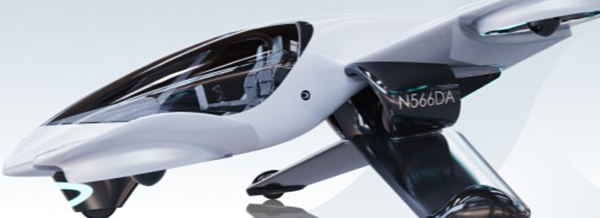
Doroni Aerospace is developing the Doroni H1‑X—a two-seat electric vertical take‑off and landing (eVTOL) aircraft aimed at making personal flight accessible and intuitive. With FAA Special Airworthiness Certification achieved in December 2023 for its prototype, Doroni is on track for broader flight testing and production.
The H1‑X features a sleek tandem wing layout and ducted fans embedded within wings, powered by multiple electric motors for quiet, efficient VTOL and cruising flight—notably with a top speed of ~120 mph (193 km/h) and ~60-mile (97 km) range on a full charge, with estimated 40‑45 minute endurance. Piloting is simplified via joystick control, one‑button takeoff/landing, anti‑collision sensors, and a full‑aircraft ballistic parachute system, lowering barriers to personal aviation.
By fusing drone‑like propulsion and safety redundancy (ducted propellers, dual‑motor layouts), user‑friendly control systems, and pilot licensing under proposed FAA LSA/MOSAIC parameters, Doroni Aerospace is advancing eVTOL toward a more mainstream, consumer‑friendly future. As urban air mobility grows, Doroni’s personal vehicle approach offers a compelling model for expanding the eVTOL community beyond ride‑hailing fleets to everyday users.

American Skyport
Multimodal Skybridge Infrastructure for eVTOL & Air Taxi Networks
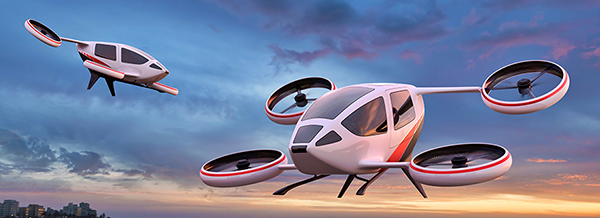
American Skyport, LLC is pioneering a multimodal transportation model—what they call the “Skybridge”—that integrates electric vertical take‑off and landing (eVTOL) air routes with ground mobility services like ride‑hailing and last‑mile connections. Their vision aims to create high-speed, low-emission corridors connecting city centers, suburbs, and rural areas via eVTOL operations paired with interoperable land transport systems.
Essential to their ecosystem is a robust energy backbone that powers both eVTOLs and electric vehicles. American Skyport provides advanced, renewable-based charging infrastructure tailored to aerial and terrestrial electric vehicles, ensuring scalable and efficient energy delivery for growing mobility networks. Additionally, they leverage purchasing scale and manufacturer partnerships to offer competitive access to eVTOL sales—making personal aerial transport more accessible.
American Skyport also collaborates with agencies such as FEMA, the U.S. Coast Guard, National Guard, and USAID to support emergency response and defense applications. Their integrated aerial transport infrastructure is positioned to serve missions requiring rapid logistics, medical evacuation, disaster relief, or remote access operations.
By delivering end-to-end infrastructure—from vertiport-like hubs to energy solutions and accessible vehicle procurement—American Skyport positions itself as a critical integrator within the eVTOL ecosystem. Their Skybridge model aligns with advanced air mobility deployment trends, offering operators, communities, and government stakeholders a cohesive foundation for operational, safe, and scalable eVTOL service networks.

CR Flight
High‑Performance Propulsion Systems for eVTOL Platforms
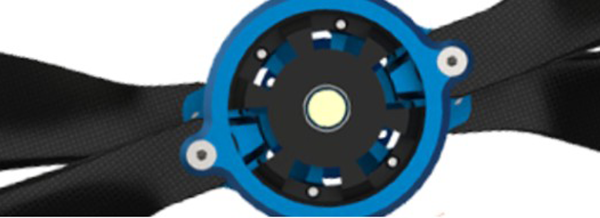
CR Flight, based in Woodside, California, engineers advanced electric propulsion systems tailored for drone, UAV, and eVTOL markets. Their signature offering, eVector™, is a patented counter-rotating propulsion architecture that enables a single motor to independently drive two propellers in opposite directions. This design leverages reactive forces for dramatic gains in thrust, torque balance, and cooling—all within a single, plug-and-play unit.
eVector systems increase continuous thrust by up to 100% and boost efficiency by 30–50%, translating into significantly longer flight durations and improved lift capacity—critical for heavy-lift UAVs and crewed eVTOL operations. Because the dual propellers run at lower RPMs, thermal load is minimized, eliminating the need for external cooling and enabling quieter operation—key for urban air mobility applications where noise, endurance, and reliability are vital.
CR Flight offers more than just propulsion hardware—they deliver an integrated solution backed by U.S.-based engineering support and global logistics via partner Vector Technics. Their standard BLDC motors and eVector™ variants are already field-tested across UAV and eVTOL pilot platforms, cargo drones, and industrial robotics. CR Flight’s scalable propulsion portfolio is a compelling fit for eVTOL OEMs seeking performance, durability, and simplicity in propulsion integration.


Joby Aviation
Pioneering Electric Air Taxi for eVTOL Urban Mobility
Joby Aviation is at the forefront of developing electric vertical take‑off and landing (eVTOL) aircraft designed for urban air mobility. Their flagship aircraft, the Joby S4, can carry one pilot and four passengers, achieving cruise speeds of up to 200 mph and offering ranges of approximately 100 miles. Emissions‑free and exceptionally quiet—about 45 dBA in cruise—the S4 redefines short trip transportation by blending convenience, speed, and sustainability.
After more than a decade of development and thousands of flight hours logged across multiple prototypes, Joby received a Federal Aviation Administration (FAA) special airworthiness certificate for the S4 production prototype in mid‑2023. The aircraft benefits from a vertically integrated design, leveraging six tilting electric motors, redundant systems, and smooth transition from vertical to wing‑borne flight for safety and efficiency. It is engineered to meet rigorous certification standards with type certification expected before 2025.
As one of the first companies nearing commercial deployment of a certified eVTOL air taxi, Joby exemplifies the future of advanced air mobility. Their emphasis on ride-share-style urban service, scalable production, and regulatory progress provides a clear blueprint for integrating eVTOL into everyday transport.

Wisk
The Autonomous eVTOL Pioneer
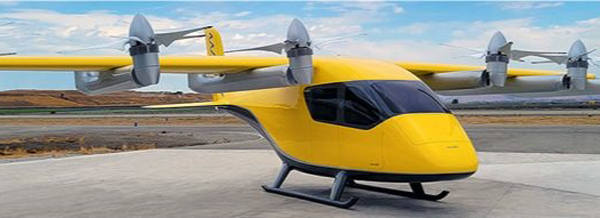
Wisk Aero is dedicated to delivering safe, everyday flight for everyone through its fully autonomous, all-electric eVTOL aircraft—with no pilot required on board—marking a transformative leap in urban mobility.
Wisk’s current aircraft, known as Generation 6, is a four-passenger model featuring 12 propellers—six tilt-rotors for vertical lift and six fixed propellers for cruise. It reaches speeds up to approximately 138 mph (120 knots) and achieves around 90 mile (144 km) range per charge. Designed with autonomous flight and continuous ground-based supervision, it represents the very first type-certified eVTOL candidate aimed at passenger-free-of-crew operation under FAA regulations.
Wisk emphasizes safety through autonomy built on proven avionics systems, combined with proprietary decision-making algorithms and multi-sensor redundancy. Ground-based fleet operations centers oversee multiple simultaneous flights, with on-demand human assistance available via passenger-initiated communication links. In 2025, Wisk acquired SkyGrid—an airspace automation platform—to facilitate safe integration of autonomous flights into national airspace infrastructure, accelerating route and fleet deployment readiness (e.g., planning for Houston and Texas air taxi corridors).
As a fully-owned Boeing subsidiary, Wisk brings aerospace-grade rigor and large-scale ambition to the autonomous eVTOL space. With over 1,750 test flights and public showcases (e.g., EAA AirVenture Oshkosh 2023), Wisk is setting benchmarks for quiet, zero-emission urban sky transport.


Quantum3D
Immersive Simulation & Training Platforms for eVTOL Readiness
Quantum3D specializes in simulation, visualization, and training tools for aerospace, defense, and advanced air mobility markets. Among its offerings are flight simulators (fixed‑wing, rotary‑wing, UAV, and eVTOL), mixed‑reality visual systems, and turnkey image generation hardware/software platforms.
For the eVTOL community, the need for safe, scalable pilot training and operational readiness is paramount. Quantum3D delivers that via immersive simulators that replicate cockpit handling, emergency scenarios, vertiport environments, and flight transitions. Their Mixed Reality Flight Simulator System, for example, combines high‑fidelity visuals (through their MANTIS image generation software) with hardware such as the Independence IDX series image generators to give pilots training tools that mirror real‑world flight behaviour.
Quantum3D also provides geo‑specific synthetic environments — terrain, vertiports, landmarks, and urban environments — enabling simulation of flight along realistic corridors. This visual fidelity matters not just for pilot training but also for route planning, airspace integration, and validating system behaviour (navigation, sensors, approach, descent) under realistic conditions. Their software modules like CatalystSE, GeoScapeSE, and their custom visual database tools support these needs.

Glenair
A World of Interconnect Solutions
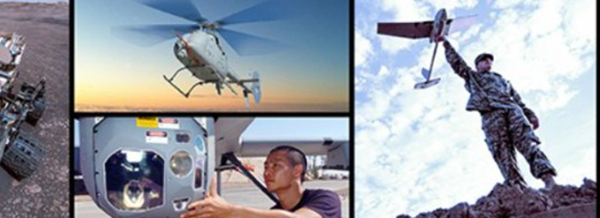
Glenair, Inc. began operations in 1956 as the first company specifically founded to produce electrical connector accessories. Building on that foundation, we now offer a dozen, full-spectrum product lines designed to meet every interconnect requirement, including a broad range of military qualified and commercial connectors, including the MIL-DTL-38999 Series III and our ultralight Series 80 Mighty Mouse.
Glenair is a privately-held company whose strengths include ISO 9001 process quality, full-spectrum product lines, fast “turnaround” on quotes and custom orders, unsurpassed sales and technical support in every major market in the world, and the industry’s largest standing inventory of commercial and Mil-Spec electrical connector accessories.
Located in Glendale, California, our connectors, backshells and interconnect cable assemblies are all made either in America or in our facilities in Mansfield, England or Bologna, Italy. With so many interconnect manufacturers moving their production operations to Estonia, Mexico, India, China and elsewhere, Glenair is proud to continue our long-standing tradition of making our products in quality controlled plants here in the USA, or in the case of selected connector products, in Western Europe.


TPC
Mission & Vision:
At The Partner Companies (TPC), we are a global network of advanced manufacturers dedicated to delivering mission-critical solutions that address our customers’ most significant challenges. Our vision is to be the go-to partner for innovative, precision manufacturing solutions worldwide.
What Sets Us Apart:
What makes TPC stand out in the manufacturing industry is our dedication to niche processes and core manufacturing capabilities. We specialize in photochemical etching, ceramic metallization, crystal growth, and electropolishing, alongside traditional capabilities like injection molding, machining, metal fabrication, and finishing. Our unique combination of expertise, coupled with our international presence and long-term growth strategy, positions us as an industry leader.
We currently have a strong network of specialty manufacturers, including:
E-Fab, Elcon Precision, Fotofab, L&T Precision, Lattice Materials, Microphoto, Optiforms, PEI
Pinnacle Precision Metal, UPG
Our History & Where We’re Going Next:
Over the past 13 years, TPC has evolved from a single business into a strategic network of 10 advanced manufactures across the United States, China, Mexico and Wales. As we embark on our long-term strategic growth plan to identify and acquire companies that will continue to expand our capabilities and capacity to serve our customers’ needs.


TRUMPF
Industrial Laser & Smart Factory Leader Powering eVTOL Manufacturing Innovation
TRUMPF, headquartered near Stuttgart, Germany, is a global leader in both machine tools and laser technology, offering integrated solutions for cutting, welding, additive manufacturing, and surface processing across industries including aerospace and mobility. Uniquely, TRUMPF is the only provider offering complete laser‑based additive capabilities from one source—encompassing laser metal fusion and laser metal deposition systems—enabling repair or creation of complex, sustainably manufacturable components essential for eVTOL platforms.
eVTOL manufacturers require high-precision fabrication for parts like rotor blades, airframe junctions, battery enclosures, and thermal management components. TRUMPF’s suite of CO₂, disc, fiber, diode, and ultrafast lasers supports high-volume, repeatable processes for cutting, welding, marking, and structural assembly—all within digitally connected “Smart Factory” environments. These systems deliver both efficiency and quality demanded by aerospace-grade production.
TRUMPF’s laser metal deposition (LMD) technology allows additive repair and fabrication of metallic or ceramic parts, reducing waste and enabling circular maintenance strategies for components like turbine blades, powertrain parts, or structural frame elements. This approach lowers cost, conserves materials, and supports sustainable manufacturing—critical benefits for the long-term operation of eVTOL fleets.

Crystal Instruments
Vibration & Modal Test Systems for eVTOL Readiness
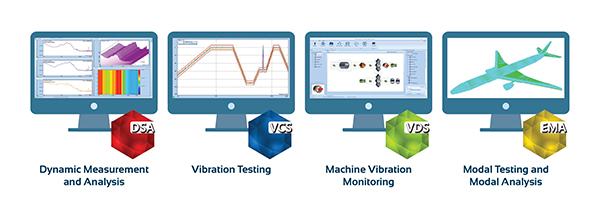
Crystal Instruments provides high-performance hardware and software for dynamic data acquisition, vibration control, and modal analysis—core capabilities for proving eVTOL safety and reliability. Its Spider family of networked controllers (e.g., Spider-81/81B and Spider-80X) delivers multi-channel, real-time control and data recording for Random, Sine, Shock, SRS, TWR and more, enabling precise shaker tests from component to full-airframe level. Ethernet-synchronized, distributed architectures scale to hundreds of channels—ideal for complex eVTOL structures and high-voltage subsystems.
For eVTOL programs, CI supports ground vibration testing (GVT) and modal campaigns that validate aeroelastic models, define flutter margins, and de-risk first flight. Application workflows span avionics qualification, propulsion/rotor vibration, cabin/structure NVH, and environmental durability—using the same toolchain to accelerate certification test plans and correlate simulation.
CI’s vibration controllers interface with a wide range of shakers and are used by leading test labs and OEM partners—streamlining everything from battery vibration profiles to full-vehicle endurance. The result is a unified, scalable test platform that helps eVTOL developers shorten schedules, raise confidence, and meet rigorous aerospace standards.


Lufthansa Consulting
Lufthansa Consulting is a globally recognized aviation advisory firm with over 35 years of experience supporting airlines, airports, governments, and OEMs in navigating transformation, growth, and operational excellence. As a leading voice in the emerging Advanced Air Mobility (AAM) market, Lufthansa Consulting is actively shaping the future of autonomous eVTOL (A-eVTOL) operations through strategic insights, regulatory engagement, and market-entry planning.
The firm’s recent thought leadership explores how Autonomous Passenger-Carrying eVTOLs (A-eVTOLs) can provide a scalable, economically viable solution to meet growing urban and regional mobility demands. Unlike piloted eVTOLs, A-eVTOLs offer lower crew costs, increased fleet flexibility, and potential for shared ownership models. Lufthansa Consulting identifies “Future-Liners”—a new class of airline-like operators that manage A-eVTOLs remotely—as the operational backbone of this emerging model, supported by robust OEM design, safety redundancy, and ground-based control systems.
With its expertise across strategy, operations, regulatory frameworks, and stakeholder alignment, Lufthansa Consulting provides the aviation ecosystem with a roadmap for unlocking the full potential of A-eVTOLs. Whether advising on vertiport integration, future-liner business models, or OEM certification pathways, Lufthansa Consulting is a key partner in bringing the autonomous air mobility vision to life.


Element Materials Technology
Certification & Testing Backbone for eVTOL Innovation
Element Materials Technology is a global leader in testing, inspection, calibration and certification services, providing aerospace OEMs and suppliers with the assurance that critical components and systems are safe, compliant and ready for service.
For the eVTOL community, Element brings a comprehensive suite of capabilities tailored to the unique demands of vertical flight platforms — including battery qualification, composite material testing, EMI/EMC evaluation, environmental simulation (altitude, vibration, climate), and aircraft‑structure endurance verification. These services help eVTOL developers move from concept to certification with confidence and meet the rigorous safety standards required for advanced air mobility.
With laboratories across 30+ countries and a deep aerospace pedigree, Element supports eVTOL manufacturers with the local access and global footprint needed for scalable development, rapid turnaround and certification readiness.


AIBOT
AI-Defined eVTOL & Autonomous Flight Systems
AIBOT is a California-based advanced air mobility company building an AI-defined, software-driven family of electric VTOL aircraft and an end-to-end ecosystem. Its portfolio spans the AIBOT X Series enterprise platforms, T Series drones, and a manned aiEVTOL designed to bring “vertical take-off and landing, anytime, anywhere” to consumers and enterprises. The company’s mission centers on autonomy, connectivity, and high performance to make everyday flight practical and accessible.
For the eVTOL community, AIBOT offers proprietary autonomous flight-control software and next-gen propulsion/control technologies aimed at safer, smoother, and quieter operations. In 2025 the company reported Phase II testing of its tilt-wing, eight-rotor eVTOL, unveiled new aircraft at Commercial UAV Expo, and highlighted early alignment across emergency response, logistics, and industrial inspection. Strategic partnerships—including Honeywell and Enpower Greentech—and a $15M California Competes grant support accelerated testing, manufacturing scale-up, and U.S. job creation.


Momentive
Silicone Materials Advancing eVTOL Performance
Momentive is a global leader in high-performance silicones and specialties whose aerospace heritage spans more than six decades. For eVTOL, Momentive provides a dedicated portfolio of adhesives, sealants, coatings, encapsulants, potting compounds, foams, and thermal interface materials engineered to protect avionics, power electronics, batteries, and structures under harsh thermal, electrical, and environmental loads. Their eVTOL application notes highlight benefits such as wide-temperature stability, electrical insulation, chemical resistance, and long-term durability for flight-critical systems.
A core focus is thermal management—SilCool™ gap fillers and greases form thin bond lines with high conductivity and low thermal resistance to pull heat from inverters, motors, and battery modules, improving reliability and turnaround times between missions. Complementary silicone foams and RTV elastomers add lightweight sealing, vibration damping, and flame-retardant protection for electronics and cabin structures, with material families designed for extreme temperature ranges common to electric vertical flight.


POLYVANTIS
Advanced Thermoplastic Glazing & Interior Materials for eVTOL
POLYVANTIS is a global multi-material supplier of high-quality acrylic (PMMA) and polycarbonate (PC) semi-finished products, bringing together iconic brands including PLEXIGLAS®, ACRYLITE®, LEXAN™ Film & Sheet, and EUROPLEX®. Across sheets and films, the company focuses on lightweight, durable thermoplastics engineered for demanding transportation environments—where optical clarity, impact resistance, and consistent processing are essential.
For the eVTOL community, POLYVANTIS’ aviation portfolio supports aircraft glazing and cabin interior applications—from passenger windows and cockpit glazing to interior panels—designed to meet stringent aviation expectations, including fire, smoke, and toxicity (FST) requirements. Their materials help OEMs balance safety and weight targets while enabling modern cabin experiences through clarity, formability, and robust surface protection options (e.g., hard-coated and abrasion-resistant solutions depending on the grade).


Greene Tweed
Lightweight Composites & Sealing for eVTOL Reliability
Greene Tweed supplies the eVTOL sector with aerospace-proven thermoplastic composites, seals, and engineered interconnects that cut weight while boosting durability and safety. Its flagship Xycomp® DLF™ compression-molded composite replaces complex-shape metallic parts across airframes and interiors with typical 35–50% weight savings (and up to ~60% in targeted applications) while maintaining exceptional fatigue, vibration, and impact resistance—complete with ready-to-share design allowables. eVTOL use cases span seat and cabin components, brackets, fairings, and systems hardware where every gram matters.
Beyond structures, Greene Tweed’s Seal-Connect® electrical and fiber-optic connectors and advanced sealing technologies help ensure reliable power and data transmission in harsh aviation environments—lightweight, corrosion-resistant, and qualified for high temperature and pressure extremes. For high-energy systems, the company develops materials for battery enclosures—including Arlon® 3160XT (glass-reinforced, cross-linked PEEK) evaluated under UL 2596 Torch & Grit (TaG) screening—to enhance thermal and flame resistance for electric propulsion safety.

YIVTOL
Shenzhen Yingwu Intelligent Technology is a Shenzhen-based high-tech company focused on intelligent aircraft and eVTOL development. Partnering with Beihang University and Shenzhen University, we have launched the YIVTOL series of ultra-light manned flight platforms.
These aircraft adopt core technologies including distributed ducted electric propulsion, triple-redundant control, swappable battery modules, high-density power cells and axial flux motors. Built with aviation-grade safety, they serve urban low-altitude mobility, emergency response and special reconnaissance scenarios, driving the intelligent development of the low-altitude economy.